Tanzania Pineapple Export Market Guide
A guide to exporting Tanzanian pineapple, from harvest timing and grading to packing and freight for Gulf, European, and regional markets.
Tanzania's coastal climate, including the growing conditions found in the Mkuranga District, is well suited to pineapple, producing fruit that is notably sweet and aromatic when grown and harvested with care. That natural quality is the starting point for any serious pineapple export business.
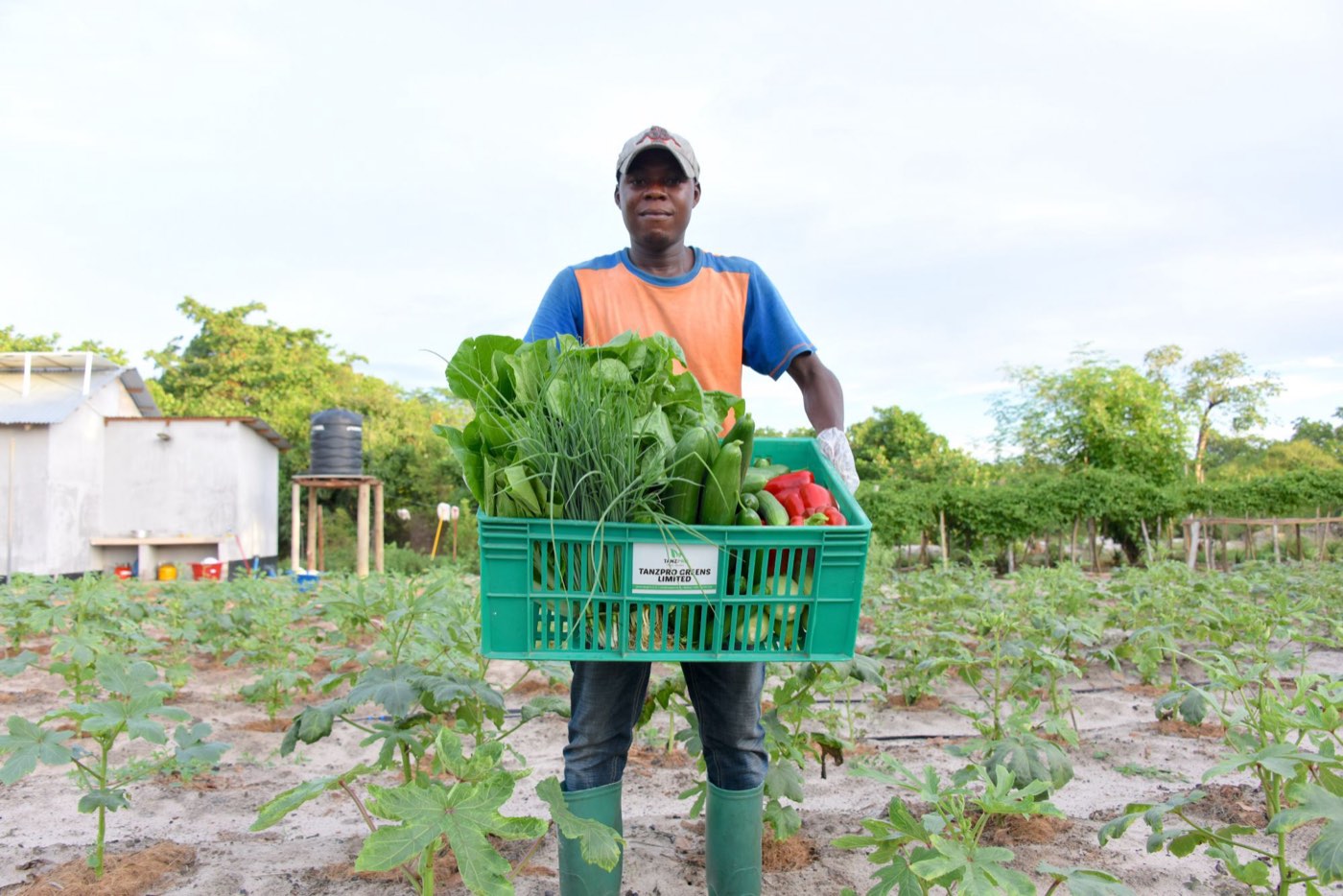
The same coastal conditions that support tomatoes, peppers, and other vegetables across the Mkuranga District farms also suit pineapple well, with consistent rainfall and warm temperatures giving the fruit time to develop sugar content naturally rather than needing to be forced along artificially.
Demand for good tropical pineapple is growing across several markets at once: the Gulf, Europe, and East Africa's own regional trade all show steady interest in a fruit that travels reasonably well when handled correctly and delivers a flavour that resonates with buyers used to less aromatic, mass-market alternatives.
Timing the harvest is one of the more technical parts of pineapple export. Fruit needs to be picked at a stage that balances two competing needs: enough ripeness to deliver real sweetness and aroma, and enough firmness left to survive the journey to a distant market without deteriorating before it arrives.
Because that harvest window is narrow, picking has to be planned closely around confirmed orders rather than harvested speculatively and held in storage. Fruit picked too early to survive a long journey never develops its full sweetness, while fruit left too long to ripen fully on the plant runs out of the firmness it needs to travel.
Handling matters just as much as timing. Pineapple bruises more easily than it looks, and the crown needs particular protection during harvest, sorting, and packing, since damage here is one of the most common ways a shipment loses value between the farm and the final buyer.
Once harvested, fruit is graded by size and quality grade so that buyers receive a consistent product carton after carton, rather than a mixed lot that varies unpredictably. This grading step is what allows a buyer to plan a menu, a retail display, or a resale order with confidence.
Packing follows the same logic: pineapple is packed into export cartons designed to protect the fruit and its crown in transit, whether the final leg of the journey is by air or by sea. The choice between the two depends largely on the destination and how much transit time the fruit can absorb before quality starts to slip.
The crown itself is left intact wherever possible, since it is both a visual marker of freshness for the buyer and a natural indicator of how the fruit has been handled between the field and the carton. Cartons are packed to hold the fruit steady in transit, reducing the bruising that loose movement inside a box can cause over a long flight or sea voyage.
Closer or more time-sensitive markets, including the Gulf and Seychelles, are generally better served by air freight out of Dar es Salaam, where speed protects the fruit's sweetness and aroma. Further destinations, where cost per unit matters more than shaving off a day or two of transit, can be served by sea freight instead.
What buyers consistently value in pineapple, more than almost any other criterion, is consistency: the same size, the same sweetness, and fruit that arrives largely free of defects, shipment after shipment. A single exceptional carton means little if the next one is smaller or less ripe.
This is why a buyer who receives a reliable pineapple order tends to keep reordering from the same supplier rather than shopping around each time. Switching origins introduces exactly the kind of variability in size, ripeness, and packaging that hospitality and retail buyers are trying to avoid in the first place.
TanzPro Greens supplies pineapple both into the local Tanzanian market and for export into East Africa and the Gulf, applying the same grading and handling discipline across both. Serving local and export buyers side by side keeps quality standards consistent rather than reserving the best fruit only for export.
Pineapple volumes are being expanded through the same trained contract-farmer network that underpins our other crops — more than 50 contracted farmers, around 70 percent of them women — as part of a broader, diversified product range that also includes avocado, passion fruit, and other tropical fruit.
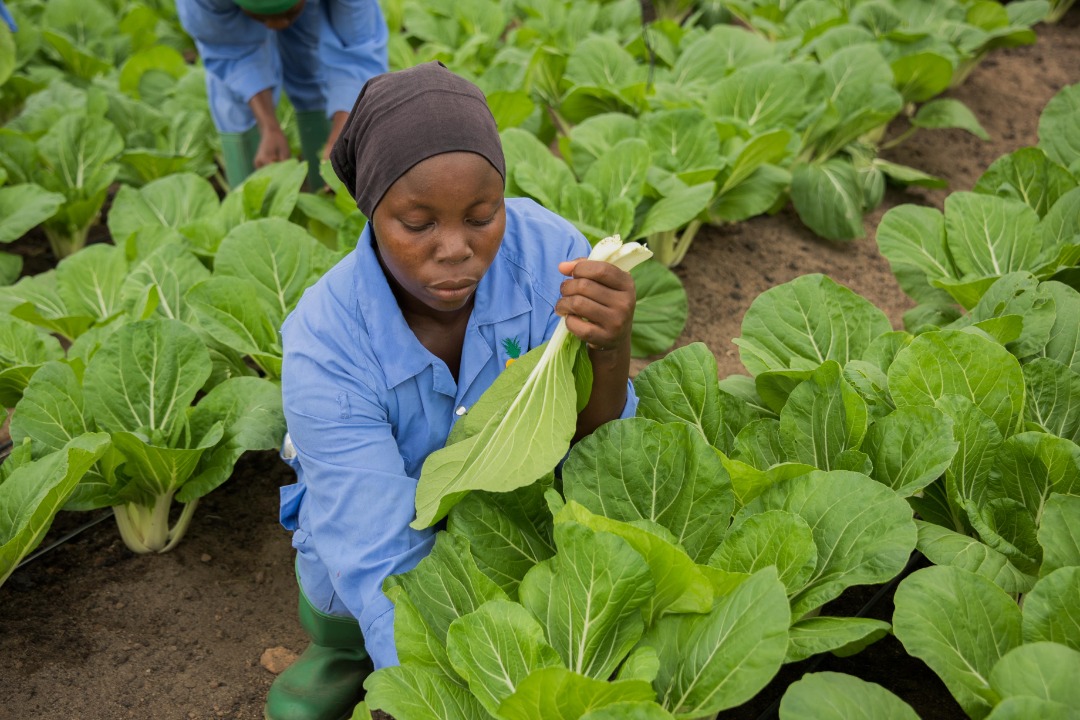
Farmers growing pineapple within the network receive the same training in organic cultivation and certified seed use that applies across TanzPro's other crops, which keeps grading and quality consistent across a harvest gathered from multiple smallholders rather than a single plantation.
The fruit is grown under the same organic standards that apply across TanzPro's farms: bio-pesticides and natural fertilisers in place of synthetic chemical inputs, and 100 percent GMO-free cultivation, which adds a further point of appeal for buyers in premium retail and hospitality.
Pineapple shipments follow the same sustainability commitments that run across TanzPro's export programme, from compostable packaging materials to the tree-planting programme tied to every tonne shipped, so that growth in pineapple volumes carries the same environmental accounting as every other crop leaving the farm.
Tanzania's pitch to pineapple buyers rests on a combination that is hard to match all at once: genuine flavour and aroma, geographic proximity to Gulf and Indian Ocean markets, and a supplier able to grade and pack consistently, harvest after harvest.
If you are sourcing pineapple for the Gulf, East Africa, or beyond and want to discuss volumes, grades, or a trial shipment, TanzPro Greens can be reached by phone at +255 713 398 485 or by email at om@tanzpro.co.tz.
Ready to source from Tanzania?
Tell us the products, volumes and destination you need — we'll reply with availability, packing options and pricing.