Ginger Farming and Export Opportunities in Tanzania
Tanzanian organic ginger for export: growing conditions, harvest timing, fresh and dried processing, grading standards and cold-chain logistics explained.
Ginger ranks among the most valuable spice crops in international trade, used across food, beverages, health products and traditional remedies worldwide. Tanzanian ginger has earned a reputation for its strong aroma and sharp pungency, qualities that set it apart with buyers across the Gulf, Russia and East Africa. For a country with the right soils and climate, ginger offers a route into some of the steadiest demand in the global spice trade.
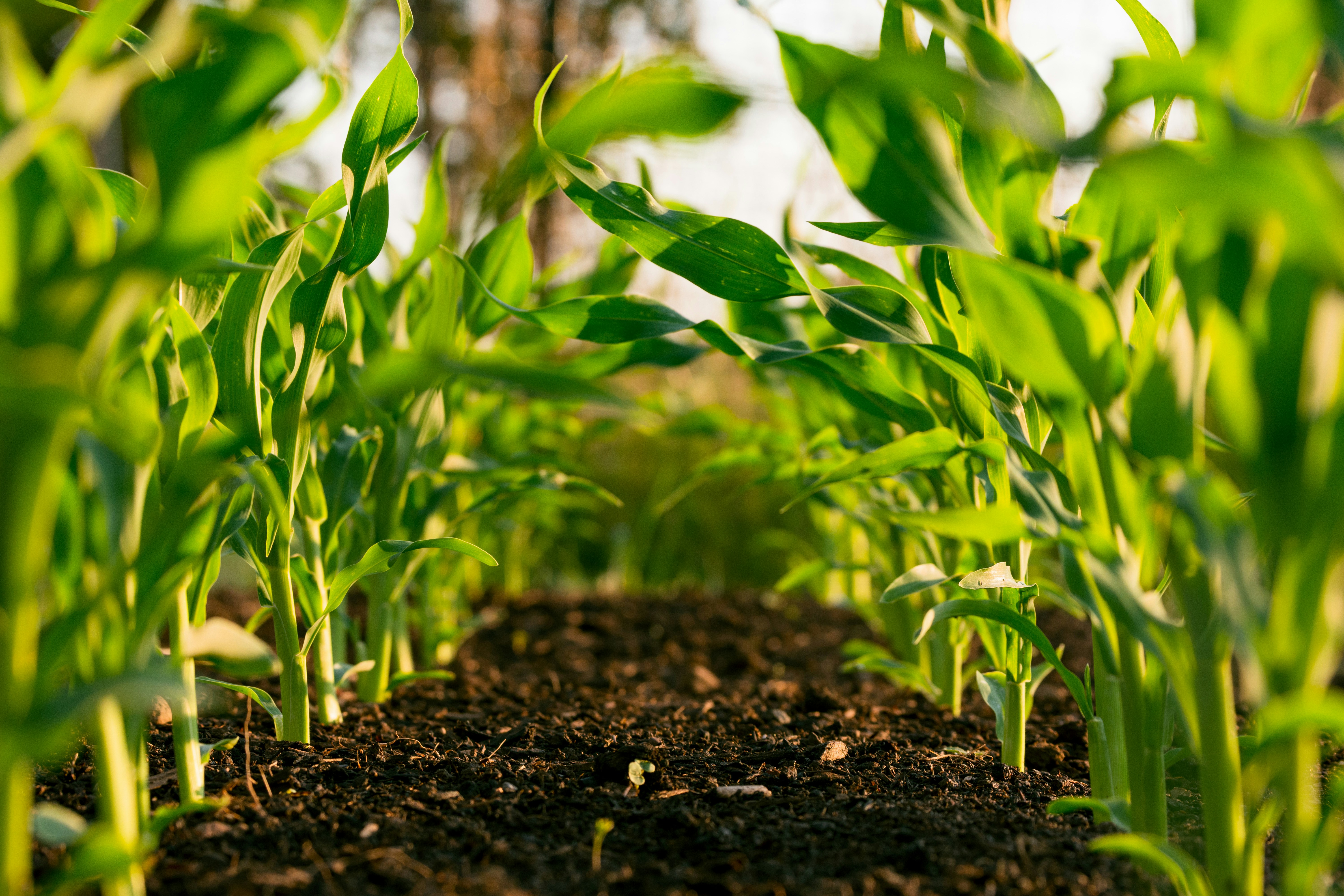
TanzPro Greens grows within Mkuranga District in Tanzania's Coastal Region, home to the Mitaranda Organic Project, established in 2016, and the Kisele Organic Project, established in 2018 along Mtwara Road, the farm where the company's organic vision first took shape. The warm, humid coastal climate and well-drained soils of this district suit rhizome crops like ginger, allowing the plant to develop the depth of flavour that buyers look for. All cultivation follows organic methods, using bio-pesticides and natural fertilisers rather than synthetic chemical inputs, and the crop is grown 100% GMO-free.
Because ginger draws heavily on soil nutrients, it benefits from the same practices applied across TanzPro's organic farms: crop rotation, green manure and composting to keep soil fertility high season after season, plus drip and rain-fed irrigation to manage water carefully. The crop is grown and tended by TanzPro's network of more than 50 contracted farmers, around 70% of them women, who are trained in organic cultivation methods and given guaranteed market access for what they produce.
Ginger quality is decided as much at harvest as at planting. Rhizomes lifted before they reach maturity lack the warmth and pungency that make ginger valuable, while well-timed harvesting lets the crop develop its full aromatic character. Judging that moment correctly, and lifting carefully to avoid damaging the rhizomes, is one of the most important skills in ginger production.
For fresh ginger, speed after harvest is everything. Once an order is confirmed, the crop is harvested, sorted and graded within hours, then pre-cooled at the packhouse before being packed into food-grade cartons for dispatch. Shipments move out through Julius Nyerere International Airport in Dar es Salaam, by air for fast-moving fresh orders or by sea for larger, less time-sensitive volumes, and a sunrise harvest can reach shelves in Seychelles or the Gulf within 24 to 48 hours.
Dried ginger takes a different path, and it is this flexibility that makes the crop so useful to exporters. Mature rhizomes are cleaned, sliced or left whole, and dried down to a stable moisture level that lets the product travel far without refrigeration and store for extended periods at destination. This shelf-stable form suits distant markets such as Russia, where a long supply chain makes fresh shipment impractical, while still holding its aroma and pungency in storage.
Ginger's versatility runs through both forms. Fresh ginger goes into everyday cooking, juices and beverages where its heat and aroma are wanted at full strength, while dried ginger feeds spice blends, extracts, teas and functional food and health products that rely on a concentrated, stable ingredient. This dual demand is part of why ginger remains one of the more resilient crops in the spice trade.
Before any batch leaves the farm, ginger is cleaned of soil and residue, checked for disease or damage, and sorted by rhizome size and quality into uniform grades. Consistent grading matters to buyers who need to know exactly what they are receiving shipment after shipment, and it sits alongside the standards TanzPro's farms are held to: the East African Organic Mark (Kilimohai), TOAM membership, and Fair Trade principles.
For farmers, ginger is a strong addition to a diversified organic operation. It intercrops well with other crops, spreads risk across a farm, and can be sold either fresh or dried depending on market conditions, giving growers more than one route to income from the same plot.
Every tonne of produce TanzPro exports, ginger included, feeds into the company's tree-planting programme, which puts 50 trees in the ground per tonne shipped. Combined with compostable packaging and biological pest control across the farms, ginger production supports the same environmental goals as the rest of TanzPro's range.
TanzPro Greens supplies both fresh and dried ginger, packed to buyer specification, as part of a wider range of aromatic crops that includes garlic, herbs and spices. That range moves alongside vegetables and fruit through TanzPro's export network, which reaches five markets, Seychelles, Dubai and the wider UAE, Oman, Russia, and East Africa and local markets, built on a production base of more than 200 tons a year.
As demand for natural, functional foods continues to grow worldwide, ginger is one of the clearest opportunities for Tanzanian agriculture to build a strong, profitable export niche, backed by the aroma and pungency that has already made local ginger attractive to buyers abroad.
To discuss fresh or dried ginger volumes, specifications or a trial shipment, contact TanzPro Greens Ltd on +255 713 398 485 or by email at om@tanzpro.co.tz.
Ready to source from Tanzania?
Tell us the products, volumes and destination you need — we'll reply with availability, packing options and pricing.