GlobalG.A.P, HACCP and Organic Certifications Explained
GlobalG.A.P, HACCP and organic certifications explained honestly, plus how TanzPro Greens' Kilimohai, TOAM and Fair Trade standards actually compare.
In international trade, certifications work as a kind of shorthand. A buyer sourcing produce from an unfamiliar supplier in another country cannot inspect every farm or factory in person, so recognised standards and certificates step in to signal that certain practices are followed, certain risks are managed and certain checks have been carried out. For exporters like TanzPro Greens Ltd, understanding these frameworks, and being clear about which ones apply to the business, is part of building trust with buyers.
GlobalG.A.P is one of the certifications that comes up most often in conversations with supermarkets and importers, particularly in Europe. Short for Good Agricultural Practices, it is a widely used framework covering food safety, worker welfare and environmental care at the farm level, spanning everything from how pesticides are stored and applied to how workers are treated and how water and soil are managed. Many large retailers require GlobalG.A.P certification, or something equivalent, before they will list a supplier's produce.
HACCP is a different kind of standard, focused specifically on food safety management. The acronym stands for Hazard Analysis and Critical Control Points, and it describes a systematic approach to identifying where hazards, whether biological, chemical or physical, could enter a food product during production or processing, and putting controls in place at those specific points to manage the risk. It is less about broad farming practice and more about the discipline of tracking and controlling food safety hazards through a process.
Organic certifications form a third category, and they exist in several forms around the world, including the East African Organic Mark, USDA Organic in the United States, and EU Organic in the European Union. Despite covering different regions, these certifications generally verify the same core things: that no synthetic pesticides or fertilisers were used, that the growing process meets defined organic standards, and that the supply chain can be traced and audited back to its source.
It is worth being clear about something buyers sometimes assume: holding one of these certifications does not automatically mean a supplier holds the others, and following the general principles behind a framework is not the same as being formally certified against it by an accredited third party. GlobalG.A.P, HACCP and organic certification are related in spirit, since all three exist to give buyers confidence in safety, traceability and responsible practice, but they are distinct schemes with their own audit processes, paperwork and costs.
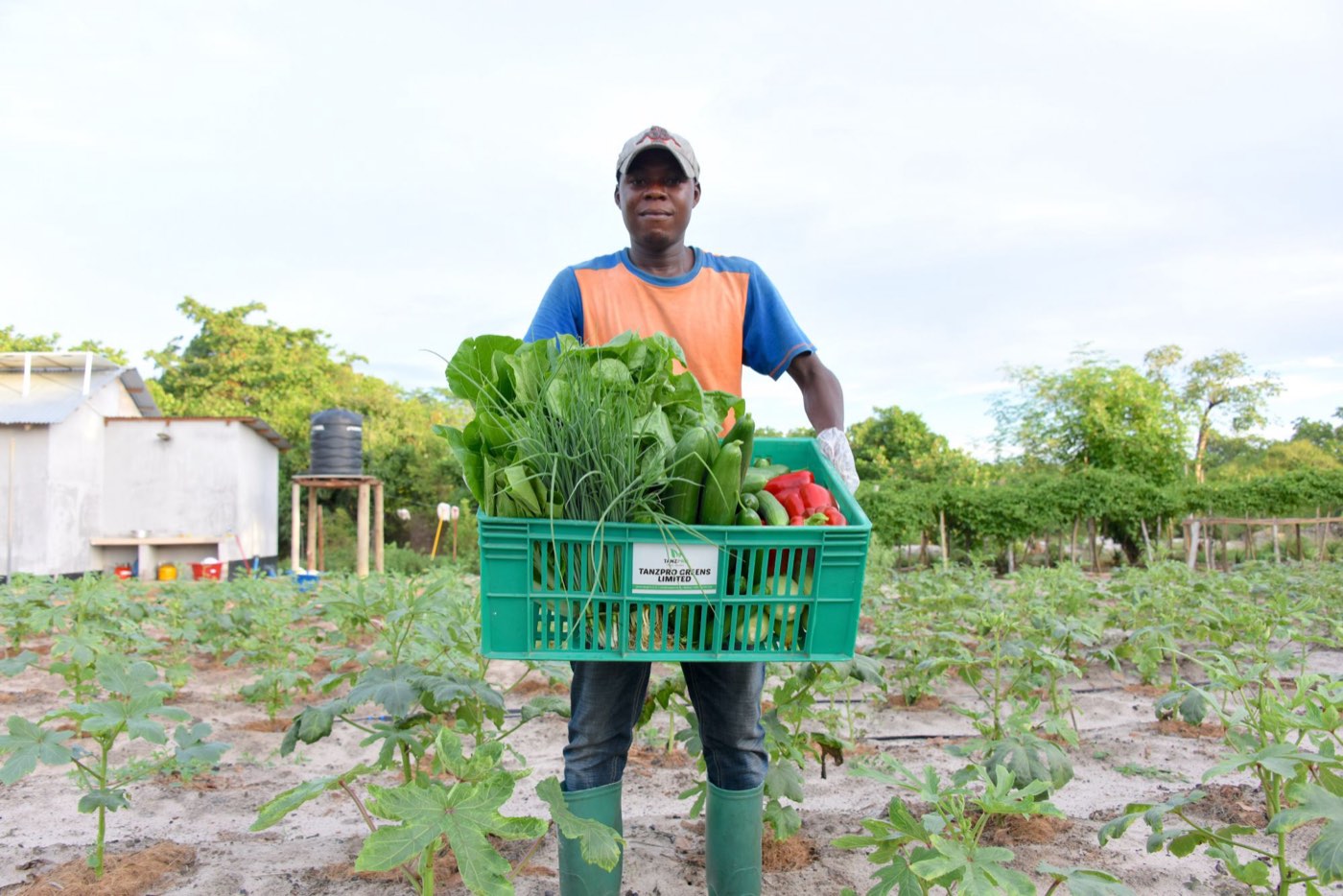
TanzPro Greens Ltd does not hold GlobalG.A.P or HACCP certification, and does not claim USDA Organic or EU Organic certification. What TanzPro does hold and operate under is a specific set of standards: the East African Organic Mark, known as Kilimohai, membership in the Tanzania Organic Agriculture Movement (TOAM), adherence to Fair Trade principles, and a 100 percent GMO-free supply chain, all built around growing methods that rely on bio-pesticides and natural fertilisers rather than synthetic chemical inputs.
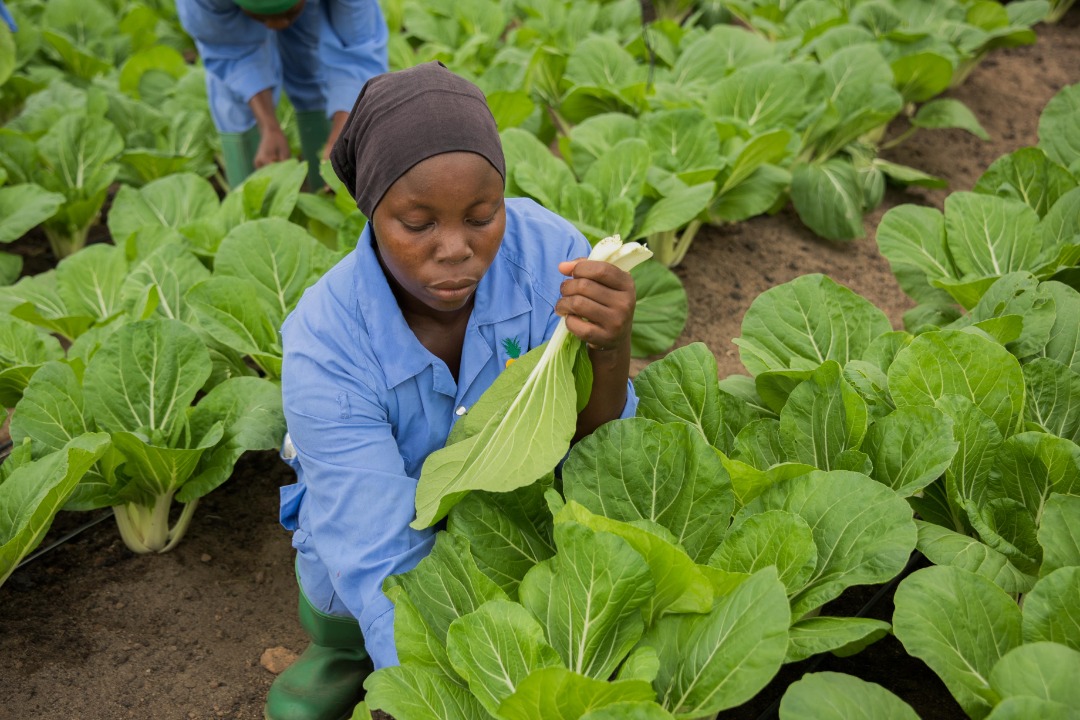
There is meaningful overlap between what these credentials cover and what GlobalG.A.P or HACCP are designed to address, even without formal certification against those specific schemes. Training contracted farmers in organic cultivation and guaranteeing them market access touches on the kind of responsible, accountable farming practice GlobalG.A.P looks for. Careful harvesting, packing to buyer specification and controlled handling through to dispatch reflect the same underlying concern with food safety that HACCP is built around.
That said, TanzPro is careful not to overstate the connection. Operating under Kilimohai, TOAM and Fair Trade principles is a genuine, verifiable set of commitments, but it is not a substitute for GlobalG.A.P or HACCP certification in the eyes of a buyer whose own compliance requirements specifically call for one of those schemes. Buyers with those specific requirements should raise them directly, so that expectations on both sides are clear from the outset.
This is a useful habit for any buyer sourcing produce internationally: ask a supplier plainly which certifications they hold, rather than assuming that organic status implies broader food-safety or good-agricultural-practice certification, or the other way around. Each scheme is audited and awarded separately, and a supplier's actual certificate list is the only reliable answer.
For TanzPro, the standards it does hold function as something like an operating system for the business, shaping how farmers are trained, how crops are grown, and how produce is handled long before it reaches a buyer. Kilimohai and TOAM membership speak to organic integrity, Fair Trade principles speak to how farmers are treated and paid, and the GMO-free commitment speaks to what goes into the ground in the first place.
These standards sit alongside broader sustainability practices across TanzPro's farms in the Mkuranga District, including crop rotation, green manure, composting, drip and rain-fed irrigation, biological pest control, and compostable packaging, along with a tree-planting programme that plants trees for every tonne of produce exported. Together, these practices reinforce the credibility of the organic claims TanzPro does make, even where formal certification against schemes like GlobalG.A.P or HACCP is not part of the picture.
Understanding the difference between following good practice and holding a specific third-party certification matters for any buyer evaluating a new supplier, and TanzPro would rather be upfront about exactly what it holds than let assumptions fill the gaps. Buyers wanting to discuss TanzPro's certifications, standards or export process in more detail can reach the company by phone at +255 713 398 485 or by email at om@tanzpro.co.tz.
Ready to source from Tanzania?
Tell us the products, volumes and destination you need — we'll reply with availability, packing options and pricing.